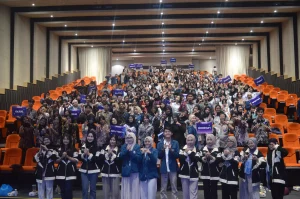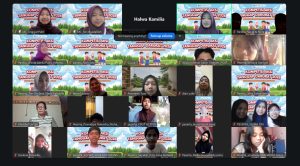


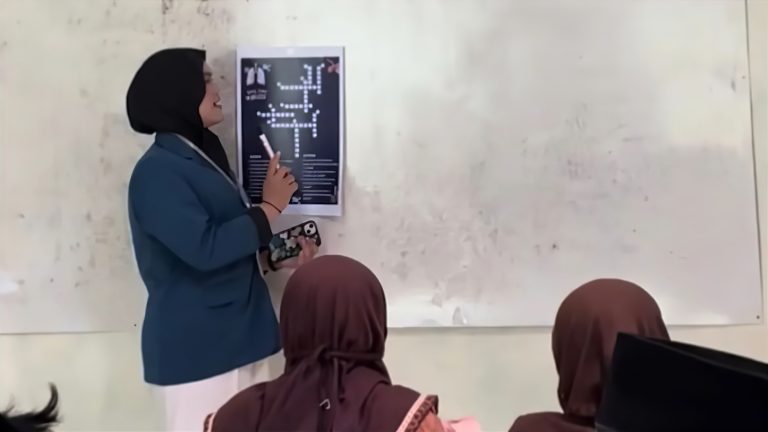
VOKASI NEWS – This health education activity took place on Wednesday, April 8, 2026, at MI Miftahul Ulum. The school is located at Jalan Masjid Number 01, Dusun Mumbulan, Desa Pengumbulanadi, Kecamatan Tikung. The activity primarily targeted elementary school students in grades 4 to 6. The program introduced them to the importance of maintaining healthy lung function.
The human respiratory system is a vital organ system that functions to exchange oxygen and carbon dioxide to support the body’s metabolism. In childhood, this system is still in the developmental stage, making it vulnerable to infections or exposure to dangerous environmental pollutants. Optimal respiratory health plays an important role in supporting children’s physical growth. It also helps children participate more effectively in learning activities at school and at home. Lack of knowledge regarding respiratory health maintenance often triggers the risk of chronic diseases that disrupt children’s overall health.
Health education plays a crucial role in increasing public awareness about the early prevention of various respiratory tract diseases in children. Promotive and preventive steps are essential to reduce the prevalence of acute respiratory infections that often affect toddlers and school-age children. Understanding risk factors, such as air pollution and exposure to cigarette smoke, needs to be instilled in parents continuously. This effort supports the creation of a cleaner living environment to keep children’s lung function healthy.
Understanding Respiratory Functions and Disorders in Children
The primary function of the respiratory system is gas exchange and oxygen distribution to all body tissues. It also removes metabolic waste in the form of carbon dioxide. The respiratory organs consist of the nose, throat, trachea, and lungs. Keeping these organs clean helps ensure that the air exchange process runs smoothly. Health problems often occur when these organs are exposed to bacteria, viruses, or irritants such as dust and vehicle fumes. Therefore, recognizing the structure and basic functions of the respiratory system is an initial step for every parent.
Various respiratory tract diseases, such as acute respiratory infections, asthma, and pneumonia pose a real threat to the health of early childhood. Exposure to cigarette smoke in the home is proven to increase the risk of respiratory tract inflammation and significantly reduce lung function.
Some sources identify unhygienic environments and poor air ventilation as the main triggers of respiratory diseases in children. These conditions can increase children’s risk of developing respiratory infections. The role of parents in creating a smoke-free home environment is essential for protecting children’s respiratory health. Their support can strengthen the long-term health and resilience of children’s respiratory systems.
Prevention Strategies and Project Implementation
Implementing clean and healthy living behaviors is the most effective strategy to prevent the transmission of respiratory tract diseases in the community. WHO emphasizes that a polluted environment is one of the main factors worsening global respiratory health conditions, especially in children.
Habits such as washing hands with soap, covering the mouth when coughing or sneezing, and maintaining a clean home environment can reduce the risk of infection. Practicing these healthy behaviors consistently helps protect respiratory health. In addition, complete immunization helps strengthen the child’s immune system against threats from various dangerous bacteria and viruses.
Cooperation between the family, educators, and health workers is needed to form consistent healthy habits in daily life. Early preventive efforts can improve children’s respiratory health in the long term. They can also enhance the quality of life for all children.
[BACA JUGA: Meningkatkan Pemahaman Masyarakat tentang Sediaan Obat Khusus]
Writer: Martya Prihartini
Supervisor: Dr. Ns. Hafna Ilmy Muhalla, S.Kep., M.Kep., Sp. Kep. M. B.
Editor: Cheiza Xaviera (Tim Branding Vokasi)