


VOKASI NEWS – The circulatory system is one of the most important systems in the human body. It transports oxygen, nutrients, hormones, and other essential substances throughout the body. In addition, it removes metabolic waste from body tissues. Despite its vital role, many children and adolescents still have limited understanding of how the circulatory system works.
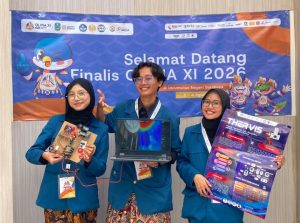
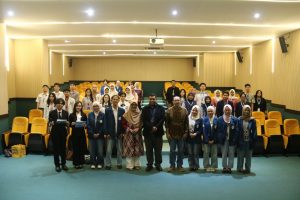
To improve health literacy, students from the Diploma III Nursing Program, Faculty of Vocational Studies, Airlangga University conducted a community education program on the blood circulatory system. The activity used a simple blood flow simulation model to make learning more engaging and interactive. Moreover, the program was designed to help adolescents understand the circulatory system more easily.
Why Is It Important to Learn About the Circulatory System?
The circulatory system consists of three main components: the heart, blood vessels, and blood. The heart pumps blood throughout the body. Meanwhile, blood vessels provide pathways for circulation. Blood then carries oxygen and nutrients to body tissues. Therefore, understanding this system encourages people to adopt healthier lifestyles. These habits include eating nutritious foods, exercising regularly, and avoiding harmful behaviors.
To make the concepts easier to understand, the educational program used a simple blood flow simulation model. The model consisted of a board, transparent tubes, bottles, and colored liquids. Red liquid represented oxygen-rich blood. Meanwhile, blue liquid represented blood containing carbon dioxide. As a result, participants could observe how blood flows between the heart, lungs, and the rest of the body. Compared with lectures alone, this approach made systemic and pulmonary circulation easier to understand.
Encouraging Active Participation
The program combined lectures, demonstrations, discussions, question-and-answer sessions, and educational games. Consequently, participants became more actively involved in the learning process. They identified the parts of the heart, explained blood circulation pathways, and participated in interactive activities.
To evaluate the program, pre-tests and post-tests were conducted. The results showed an improvement in participants’ knowledge of the circulatory system. In addition, the simulation model increased participants’ enthusiasm and interest in learning.
Maintaining a Healthy Circulatory System
Participants also learned about common circulatory disorders, including anemia, hypertension, and coronary heart disease. Furthermore, they discovered that many of these conditions can be prevented through healthy lifestyle choices. These include eating a balanced diet, exercising regularly, avoiding smoking, managing stress, and attending routine health check-ups. As a result, these habits help reduce the risk of cardiovascular diseases and improve overall quality of life.
Overall, health education using a simple blood flow simulation model proved to be an effective learning method. It improved participants’ understanding of the heart, blood vessels, and blood. Moreover, it increased awareness of cardiovascular health. Therefore, innovative and interactive community education programs can strengthen health literacy while encouraging healthier lifestyles among young people.
Writer: Arum Ambarawati Eko Putri
Mentor: Hafna Ilmy Muhalla
Editor: Sinta Rahmah (Tim Vokasi Branding)