

VOKASI NEWS – Healthcare professionals perform blood sampling more frequently than most other healthcare procedures, and it plays a fundamental role in disease diagnosis, patient monitoring, and preventive healthcare. Through laboratory examination of blood specimens, healthcare professionals can detect various health conditions, including anemia, diabetes mellitus, infectious diseases, kidney dysfunction, liver disorders, and metabolic abnormalities. Safe and standardized blood collection procedures are essential to ensure accurate laboratory results while minimizing risks for both patients and healthcare workers (World Health Organization [WHO], 2010).
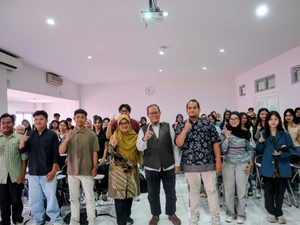
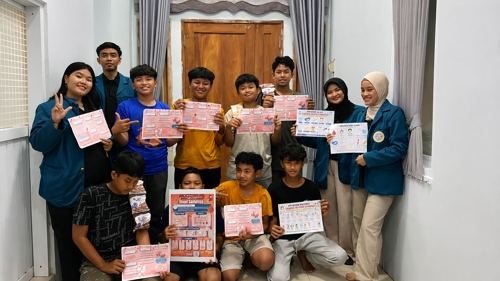
As part of a community service program, Diploma III Nursing students from the Faculty of Vocational Studies, Universitas Airlangga organized a Blood Sampling Education activity aimed at improving public understanding of laboratory examinations while strengthening youth participation in community health promotion. The educational session targeted adolescents and young adults because they play an important role as agents of change who can influence healthy behaviors within their families, schools, and communities. Researchers recognize health education among young people as an effective strategy to improve health literacy and encourage preventive health behaviors.
Metode Interaktif Tingkatkan Pemahaman Peserta
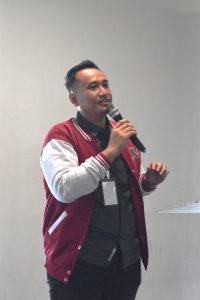
The educational program adopted an interactive learning approach emphasizing participant engagement throughout the activity. Rather than relying solely on conventional lectures, the session incorporated multimedia presentations, demonstrations of venipuncture procedures using simulation equipment, educational videos, interactive discussions, quizzes, and question-and-answer sessions. Interactive learning methods have consistently been shown to improve learner engagement, motivation, and conceptual understanding compared with passive instructional approaches (Guo et al., 2020; Selasmawati & Lidyasari, 2023).
During the session, participants received information regarding the physiological functions of blood, indications for blood sampling, common laboratory examinations, patient preparation before blood collection, and infection prevention measures implemented during venipuncture. The educational team explained that blood sampling is performed using sterile, single-use equipment under standardized safety protocols to protect both patients and healthcare personnel while ensuring specimen quality and reliable laboratory results (WHO, 2010).
One of the primary objectives of the activity was to reduce anxiety and misconceptions associated with blood sampling. Fear of needles and limited understanding often discourage individuals from participating in routine medical examinations. Through live demonstrations and interactive discussions, participants became more familiar with every stage of the procedure, including patient identification, site preparation, venipuncture, specimen labeling, and post-procedure care. The session also emphasized the importance of following healthcare professionals’ instructions, maintaining adequate hydration when appropriate, and complying with fasting requirements before selected laboratory tests.
Evaluasi Menunjukkan Peningkatan Literasi Kesehatan
To evaluate the effectiveness of the educational intervention, participants completed a pre-test before the educational session and a post-test afterward. This evaluation assessed improvements in participants’ knowledge regarding blood sampling indications, procedural safety, laboratory preparation, and the importance of routine health screening. The comparison of pre-test and post-test scores demonstrated an increase in participants’ understanding, indicating that interactive educational strategies effectively improved health literacy and awareness regarding preventive healthcare.
Throughout the activity, participants demonstrated high enthusiasm and actively engaged in discussions, demonstrations, and educational games. They confidently answered questions, shared personal experiences related to medical examinations, and expressed greater willingness to undergo blood tests when recommended by healthcare professionals. The collaborative atmosphere also strengthened communication between nursing students and participants, reflecting the importance of youth involvement in community-based health promotion activities.
Edukasi Perkuat Peran Pemuda dalam Promosi Kesehatan
Beyond improving knowledge, the activity highlighted the role of young people in promoting healthy lifestyles and strengthening community solidarity. By equipping adolescents with accurate health information, educational activities such as blood sampling awareness programs encourage them to become health ambassadors within their communities. They can disseminate reliable health information, promote preventive health behaviors, and support early disease detection.
Overall, the Blood Sampling Education: Building Health Awareness and Youth Solidarity program successfully enhanced participants’ understanding of blood sampling procedures while promoting positive attitudes toward preventive healthcare. By integrating interactive educational methods, practical demonstrations, and active participant involvement, the activity strengthened health literacy and fostered youth solidarity in supporting healthier communities. Similar educational initiatives can increase public awareness of preventive healthcare and encourage greater participation in routine health examinations.
[BACA JUGA: Waspada! Stres Skripsi Picu Nyeri Otot Akibat Academic Burnout]
Penulis: Galuh Kusuma Wardani
Editor: Vioretha (Tim Branding Vokasi)