

VOKASI NEWS – Mahasiswa D-III Keperawatan Vokasi UNAIR mengedukasi remaja mengenai penggunaan obat yang aman melalui simulasi interaktif dan pengenalan prinsip Ten Rights of Medication Administration.
Mahasiswa Keperawatan UNAIR Edukasi Penggunaan Obat yang Aman
VOKASI NEWS – Understanding how to use medicines correctly is an important step toward improving public health, particularly among adolescents. As teenagers begin to make more independent decisions regarding their health, adequate knowledge about medication use becomes increasingly essential. Unfortunately, limited health literacy and exposure to inaccurate information from social media often increase the risk of medication misuse among young people.
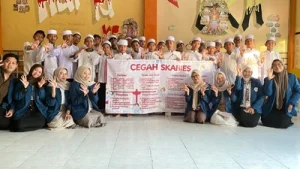
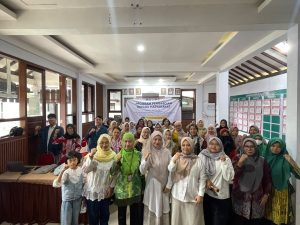
To address this issue, students from the Diploma III Nursing Study Program, Faculty of Vocational Studies, Universitas Airlangga, organized a community health education program titled Building Smart Medication Habits. The activity aimed to improve adolescents’ understanding of safe medication practices and encourage responsible decision-making when using medicines at home.
Learning Safe Medication Practices Through Interactive Education
The educational session combined health promotion with interactive learning methods to create an engaging and enjoyable experience for participants. Adolescents were introduced to various categories of medicines, proper medication storage, dosage instructions, and the importance of reading medicine labels before use.
Participants also learned about the risks associated with inappropriate medication practices, including self-medication without adequate knowledge and the misuse of prescription drugs. Special attention was given to the responsible use of antibiotics, emphasizing that antibiotics should only be taken according to a healthcare professional’s prescription and must be completed as directed to prevent antibiotic resistance.
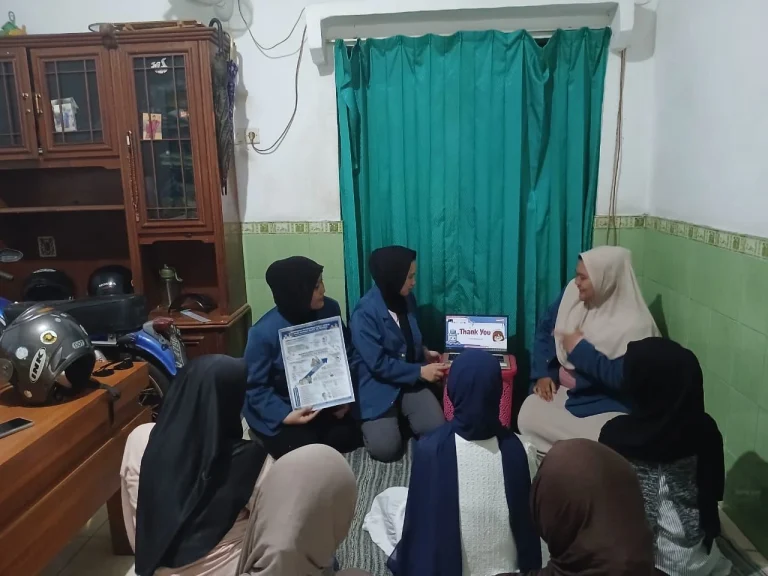
To reinforce understanding, facilitators guided participants through simple simulations using sample medication packages. During the activity, participants practiced identifying expiration dates, dosage information, storage instructions, and warning labels commonly found on medicine packaging.
The interactive format encouraged participants to think critically about medication use and to seek professional advice whenever they had questions regarding medicines or health conditions.
Introducing the Ten Rights of Medication Administration
One of the key topics presented during the program was the Ten Rights of Medication Administration, a fundamental principle designed to promote medication safety. Through group discussions and practical demonstrations, participants learned the importance of ensuring the right patient, right medication, right dose, right route, right time, right documentation, right reason, right response, right education, and the patient’s right to refuse medication.
These principles help minimize medication errors and foster a greater sense of responsibility when using medicines in everyday life.
“Health education plays an important role in preventing medication errors. We hope this activity encourages adolescents to become more careful and responsible when using medicines at home,” said Zaskia Feby Putri Hanuddin, one of the student facilitators.
Improving Health Literacy Among Adolescents
To evaluate the effectiveness of the program, participants completed pre-test and post-test assessments before and after the educational session. The results demonstrated an improvement in participants’ understanding of safe medication practices, indicating that the activity successfully increased health literacy among adolescents.
The positive response and active participation shown throughout the program reflected the participants’ enthusiasm for learning practical health knowledge relevant to their daily lives.
Through this community service initiative, students of the Diploma III Nursing Study Program demonstrated the important role of future nurses in promoting public health education. By equipping adolescents with practical knowledge and encouraging active engagement, the program is expected to contribute to safer medication practices within families and communities.
[BACA JUGA: Ibu Posyandu Randuagung Belajar Cermat Memilih Obat untuk Anak]
Penulis: Zaskia Feby Putri Hanuddin
Editor: Alkeshar (Tim Branding Vokasi)