

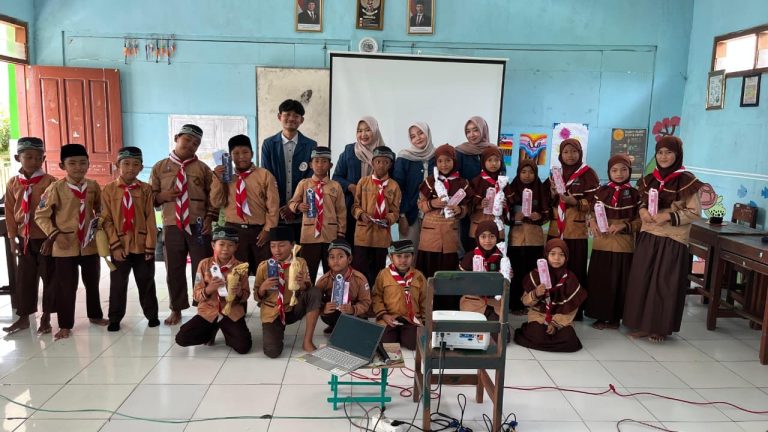
VOKASI NEWS – Nursing students delivered health education using animated video media to help elementary school students understand the respiratory system in a simple and enjoyable way. Animated learning combines visual illustrations, narration, and movement, allowing children to understand concepts that are often difficult to explain through conventional lectures. According to Sefriarni et al. (2024), this approach also creates an interactive learning environment that encourages students to pay attention, participate in discussions, and ask questions throughout the educational session.
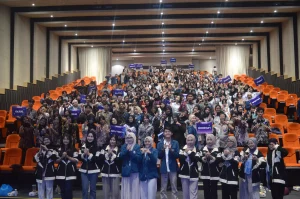
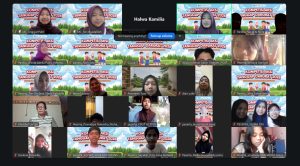
Diploma III Nursing students of Class GR-4B Group 2, consisting of Diajeng Yasya Desylia Banowati, Mohamad Amril Ibad, Nova Erika Putri, and Siti Nur Cholidah Surgawati, conducted this health education activity on Saturday, February 28, 2026, at MIS Miftahul Ulum Tlogoagung, Kembangbahu District, Lamongan Regency. The students organized this program as part of a community health promotion initiative. The activity aimed to increase students’ understanding of the respiratory system while encouraging healthy behaviors that support lung health from an early age.
Building Awareness of the Respiratory System
Many children breathe every day without fully understanding how the respiratory organs function. Although children may recognize the lungs as an important organ, the children’s knowledge about the pathway of air, the role of oxygen, and the importance of keeping the respiratory system healthy is often limited.
Animated videos provide an engaging solution because the videos transform abstract biological processes into colorful and easy-to-follow visual explanations. Instead of relying only on verbal instruction. Students can observe how air travels from the nose through the respiratory tract to the lungs. Agustina et al. (2022) explained that these visual demonstrations help children develop a clearer understanding of the structure and function of each respiratory organ while maintaining student interest throughout the lesson.
The Active Role of Nursing Students
During the activity, the nursing students acted not only as presenters. The nursing students also served as facilitators to encourage active participation from every student. The nursing students created a friendly learning atmosphere by asking simple questions before the presentation. Additionally, the nursing students invited students to share previous knowledge about breathing and lung health. This interaction helped identify students’ initial understanding while increasing student confidence to participate in classroom discussions.
Following the animated video presentation, students were encouraged to ask questions and discuss several factors that may affect respiratory health. Topics included the harmful effects of cigarette smoke, exposure to air pollution, dust, and smoke produced by burning household waste. Anadira et al. (2025) noted that the nursing students also emphasized the importance of maintaining environmental cleanliness, engaging in regular physical activity, and practicing healthy daily habits to protect the respiratory system.
Positive Learning Outcomes
The nursing students administered a pre-test before the session to evaluate the program’s effectiveness. Then, the nursing students conducted a post-test after completing all learning activities. The evaluation demonstrated that students showed better knowledge of the respiratory system after participating in the animation-based learning session. Kori et al. (2025) found that many students were able to identify the respiratory organs correctly, explain basic functions, and describe several ways to maintain healthy lungs. Not only did student test scores improve, but student enthusiasm and active involvement during the learning process also proved the success of this activity. Students appeared more confident in answering questions, participated actively in discussions, and demonstrated a greater awareness of healthy lifestyle practices. Agustina et al. (2022) concluded that these outcomes indicate that animated video is an effective educational medium for delivering health information to elementary school students.
Through this community health promotion program, Diploma III Nursing students improved children’s health literacy. Additionally, this program strengthened nursing student communication and educational skills. The nursing students expect a positive future impact. The nursing students hope schools will continue to implement similar educational activities. These activities support healthy behaviors and increase children’s awareness of respiratory health throughout life.
[BACA JUGA: Ciptakan Gerakan Optimal Dengan Core Stability Exercise]
Penulis: Nova Erika Putri
Pembimbing: Hafna Ilmy Muhalla
Editor: Nawal Eka Paramita (Tim Vokasi Branding)