

VOKASI NEWS – Understanding the digestive system is essential for children. It helps them develop healthy eating habits and maintain good personal hygiene from an early age. However, many elementary school students still have limited knowledge of how the digestive system works. They also lack awareness of how daily habits can affect digestive health.
To address this issue, students from the D-III Nursing Study Program, Faculty of Vocational Studies, Universitas Airlangga, developed an educational program entitled “The Great Food Expedition: A Journey Through Your Tummy.” The program introduces digestive health through Project-Based Learning (PjBL) supported by interactive learning media.
Interactive Learning Makes Science Easier to Understand
Unlike traditional classroom instruction, Project-Based Learning encourages students to actively participate in the learning process through exploration, discussion, and problem-solving activities.
The program utilizes two interactive educational tools: a colorful pop-up book and an animated educational video. The pop-up book presents three-dimensional illustrations that guide students through the journey of food from the mouth to the anus while explaining the functions of major digestive organs, including the mouth, esophagus, stomach, small intestine, and large intestine.
Meanwhile, the educational video complements the learning experience by using engaging animations and simple narration to explain complex biological processes in a way that is easy for elementary school students to understand.
Measuring Students’ Learning Progress
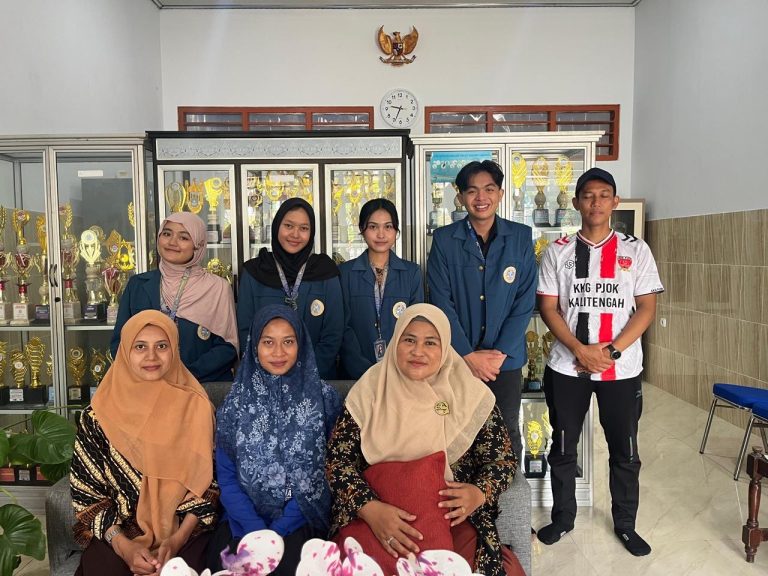
The educational activity was implemented for fifth-grade students at SDN Pucangro. Before the session began, students completed a pre-test to assess their initial knowledge of the digestive system. After participating in the learning activities, they completed a post-test to evaluate improvements in their understanding.
Throughout the program, students actively participated by asking questions, discussing healthy food choices, and joining interactive games related to digestive health. These activities created a more enjoyable learning environment while encouraging students to become active learners.
Promoting Healthy Habits from an Early Age
In addition to learning about the anatomy and functions of the digestive organs, students were introduced to healthy habits that support digestive health. The educational materials emphasized the importance of eating balanced meals, consuming enough fruits and vegetables, and drinking sufficient water. Students also learned to wash their hands before meals, chew food properly, and limit the consumption of junk food and sugary beverages.
Students also learned about common digestive disorders, including stomachache, diarrhea, constipation, and dyspepsia, along with simple preventive measures that can be practiced in everyday life.
Educational Media Enhance Learning Experiences
Interactive learning media play an important role in improving students’ understanding and engagement. The pop-up book stimulates curiosity through hands-on interaction, while the educational video helps visualize internal body processes that cannot be directly observed. Together, these media make scientific concepts easier to understand and improve students’ motivation to learn.
Beyond increasing knowledge, the implementation of Project-Based Learning also strengthens students’ communication, collaboration, creativity, and critical thinking skills. These competencies are essential for supporting lifelong learning and encouraging positive health behaviors.
Through The Great Food Expedition: A Journey Through Your Tummy, the students demonstrated the effectiveness of combining Project-Based Learning with interactive educational media. This approach created an engaging and participatory learning experience for children. It also helped them understand the digestive system more easily. In addition, the program encouraged children to adopt healthier lifestyle habits that can benefit them throughout their lives.
[READ ALSO: Safety Climate dan Unsafe Action: Siapa yang Bertanggung Jawab atas Keselamatan Kerja?]
Author: Muhammad Revo Andika Pratama
Mentor: Dr. Hafna Ilmy Muhalla, S.Kep., Ns., M.Kep., Sp.Kep.M.B.
Editor: Inviana (Vocational Branding Team)