

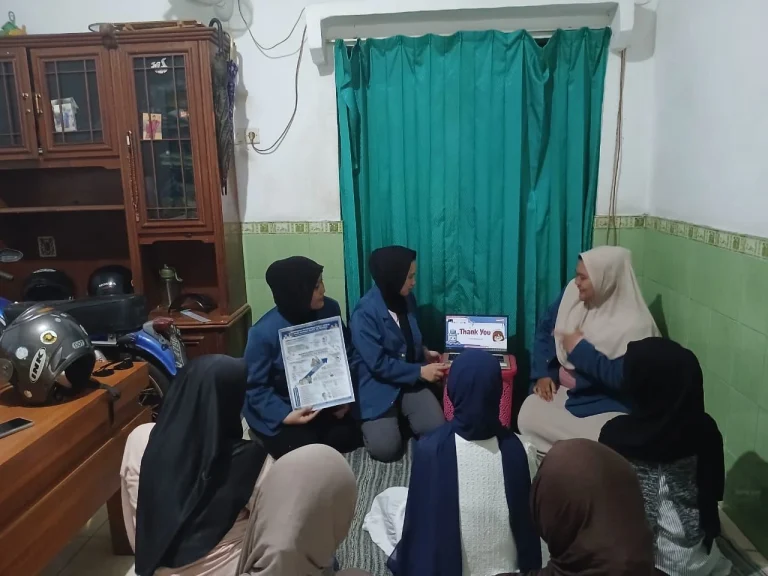
VOKASI NEWS – Mahasiswa D-III Keperawatan Vokasi UNAIR mengedukasi remaja Kebomas tentang prinsip “Ten Rights” agar penggunaan obat lebih aman dan tepat.
Adolescents and the Need for Safe Medication Literacy
Adolescents are currently in a critical stage of development that encourages greater independence in making health-related decisions. This transition period often increases curiosity about self-care, including how to use medication safely at home.
However, exposure to inaccurate medical information on various social media platforms can pose serious risks. Without proper understanding, adolescents may practice unsafe self-medication, which can lead to medication errors and other health problems.
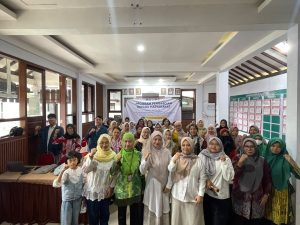
To address this issue, a community service activity was conducted in Kebomas, Gresik, on Saturday, April 11, 2026. This activity aimed to improve adolescents’ understanding of safe medication use through an interactive health education program.
Introducing the “Ten Rights” Principle
The activity targeted adolescents aged 12 to 21 years. The main focus of the education was the implementation of the “Ten Rights” principle in medication use.
The “Ten Rights” principle serves as an important guide to help prevent medication errors. Through this principle, adolescents are encouraged to pay attention to the right patient, right medication, right dose, right route, right time, right documentation, right reason, right response, right education, and right to refuse.
By understanding these principles, participants were expected to become more careful and responsible when using medication. In addition, this education aimed to build a generation that is more aware of medication safety in daily life.
Interactive Education Strategy
The education method was designed to be participatory so that technical information could be understood more easily by the participants. The session began with a presentation using PowerPoint and posters to attract participants’ attention.
Furthermore, the activity continued with interactive simulations and in-depth discussions about common medication myths among adolescents. Participants were invited to practice checking medication labels and applying basic safety steps before using medicine.
This approach helped participants connect the material with real situations they may encounter at home. As a result, the learning process became more engaging, practical, and relevant to their daily lives.
Digital Booklet as an Educational Innovation
To support the learning process, the team provided a digital booklet that could be accessed through a QR code. This innovation was chosen to match the lifestyle of adolescents who are familiar with digital technology.
The digital booklet contained information about safe medication use and the “Ten Rights” principle. Through this media, participants could review the material even after the education session ended.
The use of digital media also made the education process more practical and accessible. Therefore, participants were not only involved during the session, but also had learning materials they could use independently afterward.
Participants’ Enthusiasm during the Activity
The participants showed a cooperative and enthusiastic response throughout the education session. They actively participated in discussions, asked questions, and followed the simulation activities well.
Zhafira, one of the participants, expressed her appreciation for the session. She stated that the material about the “Ten Rights” principle was very helpful for understanding how to use medication correctly at home.
Her response showed that adolescents can better understand health information when it is delivered in a clear, interactive, and relatable way. This also indicates that the chosen education method successfully engaged the target audience.
Improvement in Health Literacy
The success of the activity was evaluated by comparing questionnaire results before and after the session. The data showed an increase in participants’ understanding of safe and proper medication procedures.
This improvement was also reflected in the participants’ ability to apply the “Ten Rights” principle during the interactive simulation. In addition, participants became more aware of the importance of consulting health professionals before using medication.
The results indicate that interactive education can improve adolescent health literacy. With better knowledge, adolescents are expected to become more responsible in managing medication use in their daily lives.
Community Education for Safer Medication Use
This activity emphasized that community-based education can be an effective strategy to improve adolescent health behavior. Through direct education, participants gained practical knowledge that can be applied in their daily environment.
Moreover, the activity encouraged adolescents to be more critical when receiving health information, especially from social media. They were reminded not to use medication carelessly and to seek guidance from health professionals when needed.
Overall, the smooth implementation of this activity showed that an interactive approach can bring positive impacts to adolescent health education. This effort is expected to support the development of a generation that is more aware, careful, and responsible in using medication safely.
[BACA JUGA: Mahasiswa D3 Keperawatan UNAIR Edukasi Sistem Pencernaan melalui Storytelling Bilingual]
Penulis: Rahma Aisyah, Imelda Dasilva, Zaskia Feby Putri Hanuddin
Pembimbing: Hafna Ilmy Muhalla
Editor: Alkeshar (Tim Vokasi Branding)